Filming in Argyll, Scotland, is some of the most rewarding work we do, and some of the most demanding. Argyll and the Isles is a large region of sea lochs, peninsulas and islands on Scotland’s west coast, and between 2016 and 2022 we made nine films that were shot wholly or partly there: four for the Wild About Argyll campaign, one for Heart and Soul of Scotland, one called Pedaddling, and the three-film West Coast Waters series for Rural Dimensions. This is a filmmaker’s guide to the region, drawn from that work: where to film, how to get there, how to work on the water and the trails, and why patience is the most important piece of kit you can bring.
What we have filmed in Argyll
Four commissions, nine films:
- Wild About Argyll (2016–2021): four films for Argyll and the Isles Tourism Co-operative, positioning the region as Scotland’s adventure coast. The first set the tone, filmed from the Cowal peninsula to the islands. The second covered sea kayaking and sailing, the third mountain biking, hiking and trail running, and the fourth returned to the region in 2021.
- Heart and Soul of Scotland (2018): for the same client, a single film connecting Glasgow with the adventure coast of Argyll as one visitor proposition.
- West Coast Waters (2020): three films for Rural Dimensions on water-based experiences along Scotland’s western seaboard, from sea kayaking and sailing in Argyll to wildlife watching, diving and coastal walking.
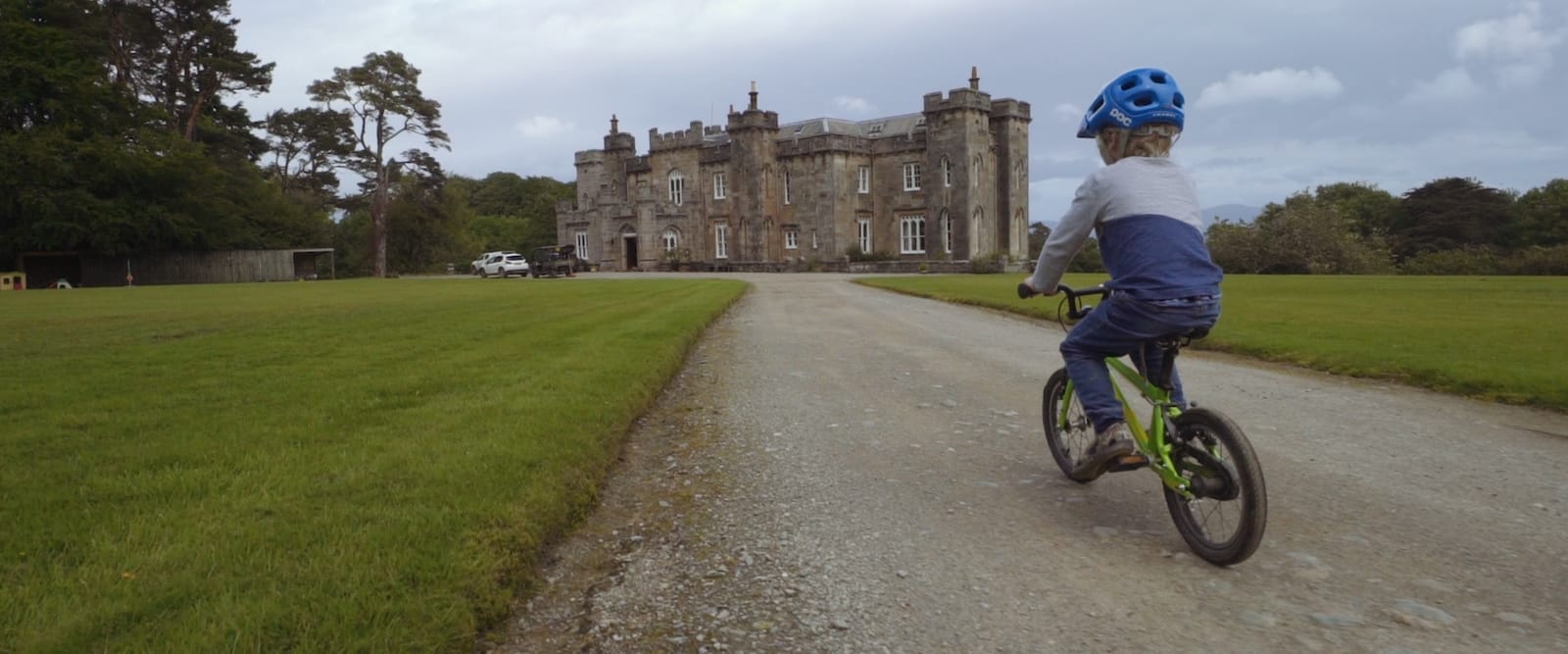
- Pedaddling (2022): for Argyll and the Isles Tourism Co-operative, on combining cycling and paddling to travel the region under your own power.
Most of what follows comes from returning to the same region, for the same kinds of client, across six years.
The shape of Argyll
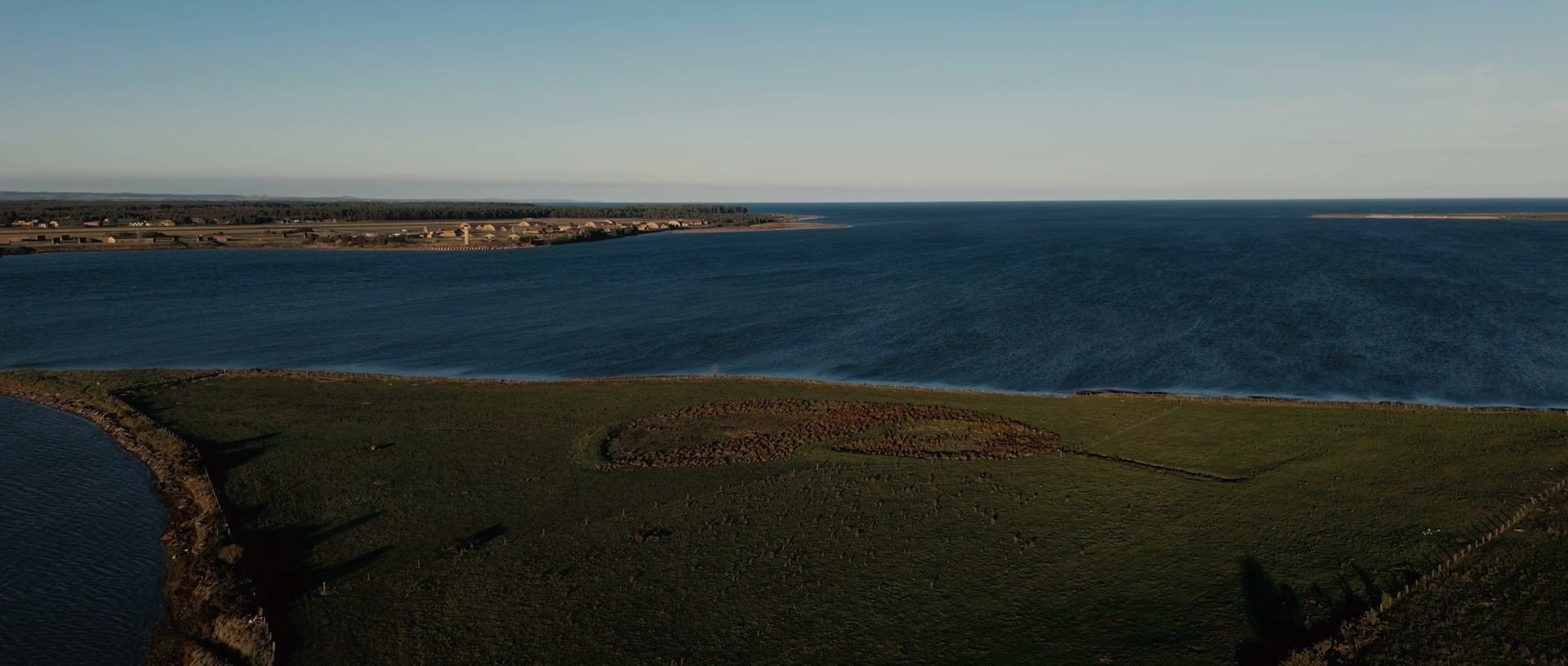
Argyll’s defining feature is water. The region is cut by sea lochs and broken into islands, so that a place within sight across a loch can be a long drive round by road, and geography sets the logistics in a way it does not further east. Kintyre reaches far to the south; Islay and Jura lie off the coast with their own characters; Mull, the Cowal peninsula and the many smaller islands each add something of their own. That fragmentation is what makes the region cinematic, the constant exchange between land, sea and sky, but it also means a shoot is planned around ferries and driving times before it is planned around shots.
Access and permits
Much of Argyll is accessible, but island filming adds ferry logistics that shape the entire schedule. Sailings are limited, weather can disrupt them, and a missed ferry can cost a day. Private estates, community-owned land and conservation areas may require permissions, and these are worth arranging well ahead. Working with local operators and tourism bodies, as we did throughout the West Coast Waters project for Rural Dimensions, smooths access considerably and brings local knowledge that no map provides.
Aerial work adds a further layer of airspace checks and landowner permission, which we cover in our guide to drone filming permissions in Scotland.
Filming on the water
Argyll’s coastline, sea lochs and islands make it one of the finest sea kayaking and sailing environments in Europe, and two of our commissions were built around that. For the second Wild About Argyll film we worked with Argyll and the Isles Tourism Co-operative and local operators to film on the water in conditions that represented the experience honestly: specific stretches of the Argyll coast, in their own light, rather than a flat calm day that could have been anywhere.
West Coast Waters took the same subject further. Water-level camera work put the viewer inside the environment, drone footage showed the geometry of the coastline from above, and interviews with local operators gave each film a human anchor. The operators were the access as much as the subject. They know where a paddler can be filmed safely on a given wind and tide, and a water schedule works best when it is built with them rather than handed to them.
Conditions that look workable from the shore can be unworkable on the water. A day planned on the sea needs a land-based alternative in the same area, so that a change in the wind moves the shoot rather than cancelling it.
Filming action on the land
The third Wild About Argyll film covered the trails, hills and forests: mountain biking, hiking and trail running, filmed in their real settings with the emphasis on movement. Action of this kind is best captured as it happens rather than reconstructed afterwards. That depends on knowing in advance where the light falls on a given trail, where it opens out enough to show a rider against the landscape, and where to put a camera so that a single run produces usable footage.
That knowledge is local, and it is the main thing a crew that has worked a region for years brings to a commission. Our sport and adventure filmmaking service sets out how we film athletes and outdoor activity more generally.
Filming in Argyll from the air
All four Wild About Argyll films and the West Coast Waters series used drone work, combined with ground-level and water-level cinematography. From the air the region makes sense in a way it does not from the road: the sea lochs, peninsulas and islands resolve into a single pattern, and the scale of the coast becomes legible.
The cost is wind. The Argyll coast produces sustained wind that grounds less capable aircraft. Our drones are specified for it, but part of professional operation is knowing when not to fly and moving the aerial work to another day. Our aerial filming and drone service covers the equipment and permissions in detail.
The quality of Atlantic light
The west coast light is the reason to film in Argyll. The Atlantic weather systems that make the region challenging also produce its most extraordinary conditions: fast-moving cloud, shafts of low sun breaking across a sea loch, the silver sheen of the water under an overcast sky. This is not reliable light. It comes and goes, and the only way to capture it is to be there when it happens and to wait when it does not.
Why patience matters when filming in Argyll
This is the heart of the work. The filmmaker who arrives with a fixed shot list and a single shoot day will often leave disappointed, because the region does not perform on demand. The filmmaker who builds in flexibility, who can return to a location when the forecast turns and who treats a closed weather window as information rather than failure, comes away with footage that justifies the effort many times over.
On West Coast Waters that meant returning to locations when conditions were right rather than settling for what was available on a fixed shoot day. The first Wild About Argyll film was shot across multiple days for the same reason. Our approach to landscape and coastal work in Argyll is built on this principle, and it is the main thing a client should budget for.
One film or several
A region this varied rarely fits into one film. Wild About Argyll was split by subject, with the water in one film and the land in another. Each film had one job, so a visitor interested in sea kayaking could be sent a film about sea kayaking, and each subject could be shot in its own conditions and season.
Heart and Soul of Scotland solved a different problem: how to present Glasgow and Argyll together without the film feeling disjointed. The answer was largely in the colour grade, a consistent tonal identity that held urban texture and Highland landscape in one piece. Pedaddling went the other way, with a lighter, more personal tone that followed someone moving through Argyll at the pace of a bike and a paddle. We set out the case for each approach in building a brand video series in Scotland.
Seasons in Argyll
The shoulder seasons and winter often produce the most dramatic Argyll footage, when the light is low and the weather is at its most expressive. Summer offers easier access and longer days but flatter light. Spring brings fresh colour to the hills and woods. Whatever the season, the region’s maritime climate means conditions change quickly, which is both the challenge and the opportunity.
Bringing it together
Argyll rewards filmmakers who know it, respect its logistics and have the patience to wait for its light. That combination of local knowledge and flexibility is what has let us keep returning to the region across six years and four commissions.
If you are planning a production in Argyll or the wider west coast, our tourism video production service explains how we approach destination filming in the region.
Frequently asked questions
Which parts of Argyll have you filmed?
Wild About Argyll was filmed from the Cowal peninsula to the islands, across the region’s coast, sea lochs, trails and forests. Heart and Soul of Scotland paired Argyll with Glasgow, and West Coast Waters covered water-based experiences along the western seaboard, from sea kayaking and sailing in Argyll to wildlife watching and diving.
How do ferries affect filming schedules in Argyll?
Significantly. Island filming in Argyll is built around ferry timetables, and sailings can be limited or disrupted by weather. A missed ferry can cost a day, so schedules need to be planned carefully around crossings, with contingency built in. Local knowledge and good relationships with operators make a real difference here.
Is Argyll suitable for filming year-round?
Yes, though the character changes with the season. The shoulder seasons and winter often deliver the most dramatic Atlantic light, while summer offers easier access and longer days. Whatever the time of year, Argyll’s maritime weather changes quickly, which is both the challenge and the opportunity for a patient crew.
Should a tourism campaign for Argyll be one film or a series?
It depends on how many things the campaign has to say. Wild About Argyll was split into four films by subject, so each could be shot in its own conditions and sent to the audience it suited. Heart and Soul of Scotland made a single argument, that Glasgow and Argyll belong together, and worked as one film.
What is the single most important skill for filming in Argyll well?
Patience, closely followed by flexibility. Argyll does not perform on demand, and its best conditions come and go and cannot be scheduled. The crew that can return when the forecast turns, and treat a closed weather window as information rather than failure, comes away with footage that justifies the effort. Knowing the locations, managing ferry logistics and securing permissions all support that core discipline.