Wildlife tourism video in Scotland is one of the most rewarding and most difficult kinds of destination film to make well. It sits at the intersection of landscape filming, sport-style fieldcraft and a great deal of patience, and it cannot be approached like a standard tourism shoot. When we made the Dream Wild campaign film for Wild Scotland, the trade body for Scotland’s wildlife tourism sector, we learned a great deal about what this kind of work demands.
Dream Wild is not the only time the wildlife sector has been in front of our cameras. The West Coast Waters series for Rural Dimensions, also made in 2020, covered wildlife watching alongside sea kayaking, sailing, diving and coastal walking on Scotland’s western seaboard. Before that, the second Wild About Argyll film put us on the water with local operators in 2016. And in 2025 three films on community-led nature restoration for The Glasgow School of Art took us into the habitats that wildlife tourism depends on. This post draws on all of that.
Why wildlife tourism video in Scotland is different
A standard destination film can be planned around locations and light. A wildlife film has to be planned around animals, and animals do not follow a shot list. You cannot schedule an otter, instruct an eagle, or guarantee that a pod of dolphins will appear during your shoot window. This unpredictability changes everything about how the production is approached: it demands flexibility, redundancy in the schedule, and an acceptance that some of the best moments cannot be manufactured.
It also changes what a client is buying. A tourism board commissioning a coastal film is buying a place, and the place will be there on the day. A wildlife operator commissioning a film is buying a representation of an encounter that, on any given morning, may not happen. The film has to be honest about that without being undermined by it.
Filming the experience, not just the animal
Wildlife tourism video is not natural history filmmaking. The subject is not really the animal; it is the experience of encountering it: the guided trip, the operator’s expertise, the visitor’s sense of being somewhere wild. Wild Scotland’s members guide visitors into Scotland’s wild places for wildlife watching, sea kayaking, hillwalking, birdwatching and photography tours, and the Dream Wild film had to convey the quality and breadth of those experiences. That meant filming people as much as wildlife, and capturing the atmosphere of anticipation that defines a good wildlife day.
In practice this splits the coverage into two kinds of shot. The first is the animal itself, which is opportunistic and cannot be planned beyond putting ourselves in the right place. The second is everything around it: the guide reading the water, the group going quiet, the walk in and the walk out, the landscape at the scale the visitor sees it. The second kind can be planned, lit by the day and shot properly, and it is what holds the film together. The animal is the reward, but the experience is the structure.
Working with the operators
The people who run wildlife tourism experiences in Scotland know their ground better than any production company ever will. They know which bay holds otters at which state of tide, where a sea eagle tends to hunt, and how close a boat can go before an animal is unsettled. A shoot that ignores that knowledge wastes days.
On West Coast Waters, interviews with local operators gave the films their human anchor and communicated the lived reality behind the landscapes. That approach transfers directly to wildlife work. The operator is the most credible voice in the film, because a visitor deciding whether to book is really deciding whether to trust that guide with a day of their holiday. Putting the guide on camera, in their own words and on their own ground, answers that question better than any voiceover can.
It also matters commercially. Wild Scotland is a trade body, and the Dream Wild film had to represent its members as a sector rather than favour any one of them. A film for a single operator can be built around one person and one place. A film for a trade body has to show range, and the shoot schedule has to be planned with the client to decide which experiences carry that range most efficiently.
Fieldcraft and patience
The practical skills overlap heavily with adventure and sport filming: working quietly in the field, reading conditions, being comfortable in remote terrain, and waiting, often for a long time, for a moment that may or may not come. A crew that is restless or uncomfortable outdoors will struggle here. The discipline of stillness and observation, which is at the core of how we approach all landscape work, is even more essential when an animal’s appearance cannot be controlled.
West Coast Waters was made by returning to locations when conditions were right rather than settling for what was available on a fixed shoot day. Wildlife work needs the same habit, with a second variable added. The weather has to be right, and the animal has to be there. A schedule that allows for neither will produce a film full of empty water.
Filming wildlife responsibly in Scotland
A wildlife tourism film is a public statement about how an operator treats the animals its business depends on. Footage of a boat crowding a pod of dolphins, or a group pressing close to a nesting bird, does the client lasting damage, however good the shot looks. The standard on camera has to match the standard the operator keeps when no camera is there.
Scotland has a clear framework for this, and it applies to film crews as much as to visitors:
- The Scottish Marine Wildlife Watching Code, published by NatureScot, sets out how to watch whales, dolphins, porpoises, seals, basking sharks and seabirds without disturbing them. Dolphins, whales and porpoises are protected by law from deliberate or reckless disturbance.
- Schedule 1 birds, the most protected species, cannot be filmed or photographed at or near an active nest without a licence from NatureScot. That has to be applied for well ahead of the shoot, not arranged on the day.
- Drones add their own considerations near wildlife, particularly around seabird colonies and raptors. Our guide to drone filming permissions in Scotland covers the aviation side; the wildlife side is a matter of distance, judgement and the operator’s advice.
None of this makes a wildlife film harder to make. It makes the film more trustworthy, and a responsible approach on camera is one of the strongest things an operator can show a prospective visitor.
Working across seasons and locations
Scotland’s wildlife is seasonal and dispersed. Different species and experiences peak at different times and in different places, from Highland wildlife encounters to coastal kayaking and guided hill days. Building a film that represents the diversity of the sector meant a shoot schedule spread across a range of locations and seasons, identifying with Wild Scotland the experiences that would communicate the sector’s range most effectively.
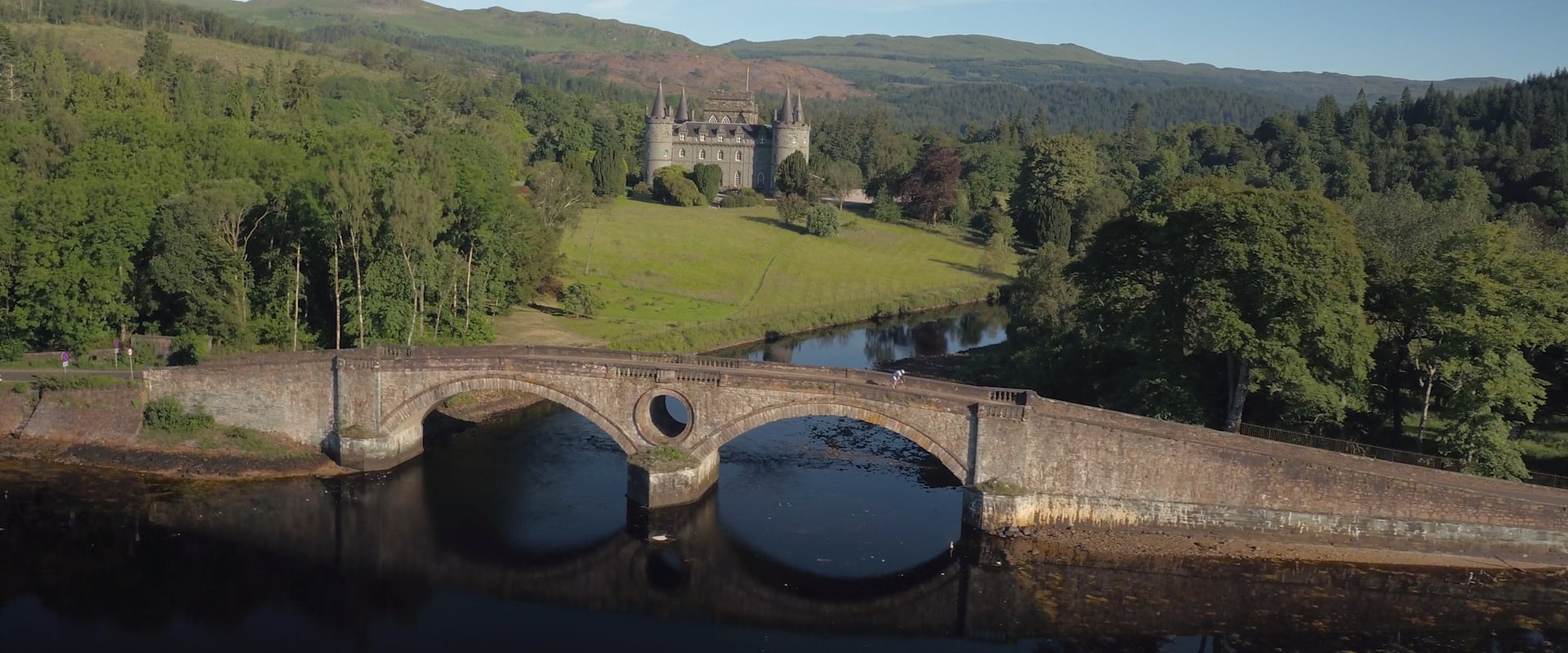
Some places reward a wildlife brief more than others. The Uists in the Outer Hebrides combine breeding waders, corncrakes and migrating geese with machair and a horizon that nowhere else in Scotland quite matches. The Argyll coast, which we know from four separate commissions, offers sea lochs, islands and sheltered water where operators can put visitors close to marine life. Our guide to filming in Argyll covers that ground in more detail.
From the air and from the water
Aerial footage plays a different part in wildlife films from the part it plays in most tourism work. On a campaign built around guided wildlife experiences, like Dream Wild, drone coverage is used to establish place rather than to carry the story, because the encounter happens at human scale and has to be filmed at human scale. A single aerial of a coastline tells the viewer where they are. The story happens on the ground and on the water, and our aerial filming and drone service is planned around that division from the start.
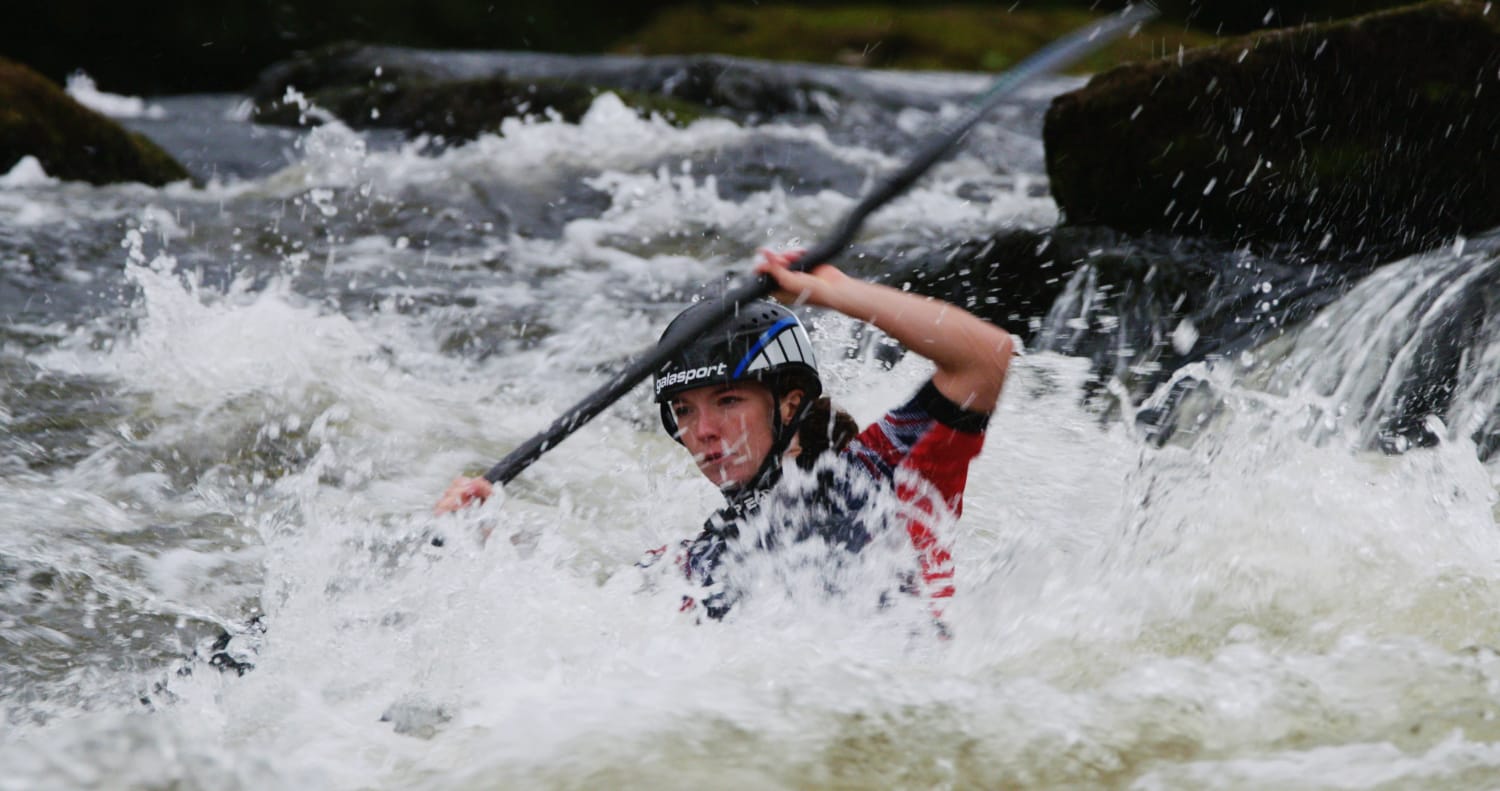
Water-level camera work is often more useful. On West Coast Waters it brought the viewer into the environment itself, and a kayak at eye level with a seal is closer to what a visitor experiences than any view from above.
The grade and the natural palette
Wildlife and landscape footage benefits enormously from a restrained, authentic grade. On Dream Wild the grade was designed to enhance the natural palette of the Scottish landscape without distorting it: the goal was footage that felt authentic to anyone who had been in those environments while being immediately compelling to someone who had not. Over-saturated wildlife content looks artificial, and anyone who has stood on a Scottish shore in October knows it.
Because wildlife shoots are spread across seasons, the grade also has a matching job to do. Material gathered over months arrives with different light, different weather and different colour temperatures baked in, and it has to read as one place. Our post on DaVinci Resolve and the Scottish landscape explains how that is done.
When the habitat is the subject
Not every film about Scotland’s wildlife has animals in it. In 2025 we made three films for The Glasgow School of Art’s Bioregioning Tayside programme on community-led nature restoration. Wild Strathfillan covers around 50,000 hectares in the north of Loch Lomond and the Trossachs National Park, with temperate rainforest, montane scrub and the most southerly of the surviving Caledonian pinewoods.
Restoration work has no single visible event, and its results arrive over decades. The films had to show habitat, scale and the people doing the work, which is the same discipline a wildlife tourism film falls back on when the animal does not appear. For operators whose offer is built on a particular landscape, such as a pinewood, a sea loch or a stretch of machair, the habitat can carry a film on its own. Our post on environmental video production in Scotland goes further into that kind of brief.
How the film gets used
Dream Wild was used across Wild Scotland’s digital channels, at trade shows and in member communications, as a primary marketing tool for the organisation’s profile-raising work. That spread of uses shaped the edit. A film that has to play on a trade-show screen with no sound, on social media in the first few seconds, and in front of members who know the sector intimately has to work at several levels at once.
For a single operator the answer is often a set of shorter films rather than one long one, each built around a different experience or season. West Coast Waters was delivered as a series of three for the same reason. Our post on whether to commission one film or a series sets out how to decide.
Why specificity wins
As with all tourism video, specificity is what earns attention. A generic montage of “Scottish wildlife” is forgettable. A film that captures the particular character of a guided experience, in a named place, with the people who run it, tells a story that no other destination can claim. That is the standard wildlife tourism video should aim for.
If you represent a wildlife tourism operator or organisation, our tourism video production service explains how we approach this specialised work.
Frequently asked questions
Can you guarantee wildlife will appear on camera?
No honest filmmaker can guarantee a wild animal will appear on a given day, and we do not pretend otherwise. What we do is plan for unpredictability: building flexibility into the schedule, working with operators who know where and when encounters are likely, and focusing the film on the experience as much as the animal itself.
What makes a good wildlife tourism film different from a nature documentary?
A nature documentary is about the animal. A wildlife tourism film is about the experience of encountering it: the guided trip, the operator’s expertise and the visitor’s sense of being somewhere wild. That means filming people and atmosphere as much as wildlife, which shapes the whole approach.
How do you plan a shoot around animals you cannot control?
You plan for unpredictability rather than against it. That means building flexibility into the schedule so a quiet day is not a wasted one, working with guides who know where and when particular encounters are most likely, and returning when conditions demand it. Because the animal cannot be guaranteed, the experience around it becomes the reliable spine of the story. That is how we approached Dream Wild for Wild Scotland.
Do you need a licence to film wildlife in Scotland?
For most wildlife watching, no, provided the filming follows the same codes as responsible visitors, such as NatureScot’s Scottish Marine Wildlife Watching Code. Filming or photographing a Schedule 1 bird at or near an active nest does need a licence from NatureScot, and that should be applied for well before the shoot.
Should a wildlife operator commission one film or a series?
It depends on how many distinct experiences the operator sells and where the film will be used. A trade body like Wild Scotland needs one film that shows range. A single operator with a spring seabird trip and an autumn otter walk is often better served by shorter films for each, which can be released through the year as the seasons change.